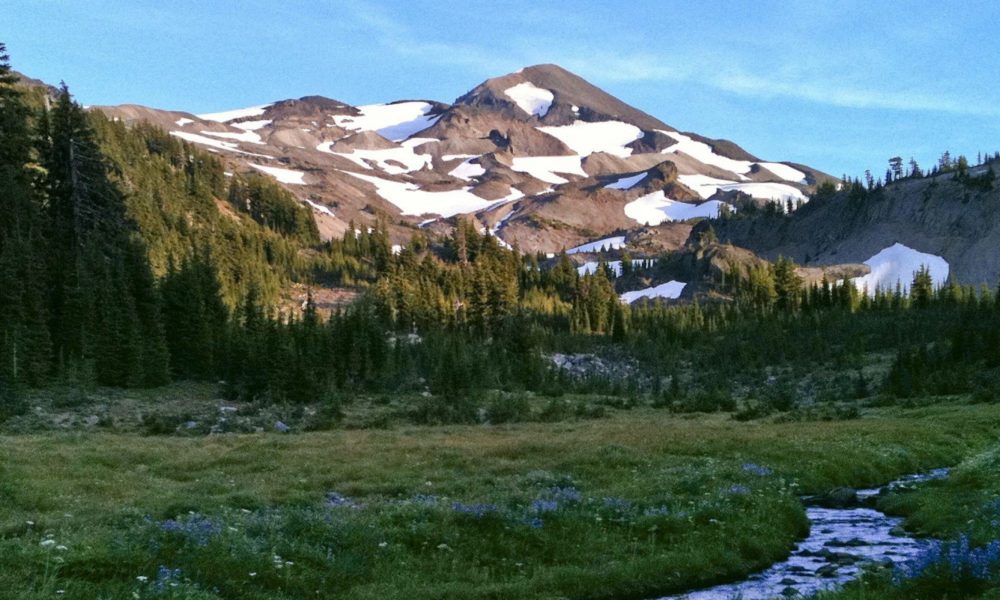
Prepare for summer weather

Prepare for summer

Preparing for summer weather involves practical steps and thoughtful planning to ensure you stay safe and comfortable.

Here’s a comprehensive guide:

Stay Hydrated:

Drink plenty of water throughout the day, even if you don’t feel thirsty. Dehydration can sneak up on you, especially in hot weather. Carry a reusable water bottle with you wherever you go, and aim to drink at least 8 glasses of water each day.

Sun Protection:

Protect your skin from harmful UV rays by wearing sunscreen with a high SPF (at least 30) every day, even on cloudy days. Apply sunscreen generously and reapply every two hours, or more often if you’re swimming or sweating. Wear protective clothing like hats, sunglasses, and lightweight, long-sleeved shirts and pants.

Stay Cool:

Beat the heat by seeking out air-conditioned spaces during the hottest parts of the day, especially if you don’t have air conditioning at home. Use fans, cool showers, or damp cloths to help lower your body temperature. Avoid strenuous activities during peak heat hours, typically between 11 a.m. and 5 p.m.

Summer Wardrobe:

Choose lightweight, breathable fabrics like cotton, linen, or moisture-wicking materials that allow sweat to evaporate and keep you cool. Opt for loose-fitting clothing in light colors to reflect sunlight rather than absorb it.

Stay Informed:

Stay updated on weather forecasts and heat advisories for your area. Be aware of warning signs of heat-related illnesses such as heat exhaustion or heatstroke, including heavy sweating, weakness, nausea, dizziness, and headache. If you or someone else experiences these symptoms, seek medical attention immediately.

Safely Stay Active:

If you enjoy outdoor activities, plan them for cooler times of the day, such as early morning or late evening. Take frequent breaks, stay in the shade when possible, and listen to your body’s cues. Wear appropriate footwear and clothing for your activities, and don’t forget to keep hydrated.

Outdoor Safety:

Be mindful of hazards like ticks, mosquitoes, and poison ivy. Use insect repellent to protect against bug bites, wear long sleeves and pants when hiking in wooded areas, and perform tick checks after spending time outdoors. Be prepared for changing weather conditions and potential wildlife encounters if camping or hiking.

Stay Connected:

Check on friends, family, and neighbors, especially those who may be more vulnerable to heat, such as the elderly, young children, or individuals with chronic illnesses. Offer assistance if needed, and encourage them to stay cool and hydrated.

Preparing for summer weather is made simple by following these tips and being proactive in your approach to summer weather, you can stay safe, and healthy, and enjoy all the season has to offer.

CPR AED and First Aid training

CPR, AED, and First Aid training

CPR , AED, and First Aid training are paramount for several reasons:

Life-Saving Skills

CPR , AED, and First Aid training equips individuals with the ability to respond effectively to medical emergencies. In situations like cardiac arrest, choking, or severe injuries, prompt and proper intervention can mean the difference between life and death. Knowing CPR, how to operate an AED, and basic first aid techniques can significantly increase the chances of survival until professional medical help arrives.

Immediate Response

Emergencies can occur anywhere, anytime. Having people trained in CPR, AED, and First Aid within communities, workplaces, and homes ensures that there are individuals ready to respond immediately in case of an emergency. This immediate response can stabilize the patient and improve outcomes.

Prevention of Further Injury or Damage

Properly administered first aid can prevent a minor injury from escalating into a major one. For instance, applying the correct bandaging techniques to stop bleeding or stabilize a broken bone can prevent further damage or complications.

Empowerment and Confidence

CPR, AED, and First Aid training empower individuals by giving them the knowledge and skills to take control of emergency situations. This confidence can make a significant difference in their ability to respond effectively under pressure.

Public Health Impact

A well-trained populace contributes to a safer community. When more people are trained effectively, the overall resilience of a community increases, and the potential to save lives in emergencies rises.

In many professions, such as healthcare, childcare, lifeguarding, and fitness training, CPR, AED, and First Aid certification may be required by law or as part of professional standards. Having these certifications not only ensures compliance but also enhances professional credibility.

Family Safety

This training is invaluable for families. Knowing how to respond in medical emergencies at home can make a critical difference in the outcome for loved ones.

Disaster Preparedness

In times of natural disasters or other emergencies when medical services may be overwhelmed or delayed, individuals with good training become even more essential. They can provide crucial assistance to those in need until formal medical help becomes available.

Overall, This training is an indispensable skills that can save lives, prevent further injuries, and contribute to safer and more resilient communities.

Setup your Class Today!

A Guide to Disaster Preparedness during Civil Unrest

disaster preparedness

Introduction:

In an ever-changing world, civil unrest can emerge unexpectedly, challenging the stability of communities and putting citizens at risk. While we hope for peace, it is essential to be prepared for the unexpected, as hope is not a strategy. This article aims to provide a starting point for disaster preparedness during civil unrest, equipping you with the knowledge and resources necessary to navigate challenging times.

Stay Informed:

Knowledge is a powerful tool in times of civil unrest. Stay informed about local and global events through reliable news sources. Social media can be a valuable tool for real-time updates, and disaster preparedness, but verify information before sharing, as misinformation can spread quickly during periods of unrest.

Develop a Communication Plan:

Establish a communication plan with family, friends, and neighbors. Identify primary and alternative communication methods, such as text messages, social media, or walkie-talkies. Having a designated meeting point or a centralized contact person can help in case regular communication channels are disrupted.

Create a Disaster Preparedness Emergency Kit:

Prepare an emergency kit that includes essential supplies for at least 72 hours.

  • Non-perishable food items,
  • Water (one gallon per person per day – minimum),
  • First aid supplies,
  • Prescription medications,
  • Flashlights and Batteries,
  • Important documents (ID, insurance papers, etc.),
  • Cash in small denominations,
  • Basic hygiene items

Secure Your Home:

Take measures to secure your home in case of civil unrest. Reinforce doors and windows, and consider investing in a home security system. Create a safe room where you can seek refuge if necessary. Develop evacuation routes and practice them with your family.

Stay Neutral and Avoid Conflict:

In times of civil unrest, tensions can run high. It is crucial to remain neutral and avoid engaging in confrontations. If possible, stay indoors and away from crowds. Do not participate in activities that could escalate the situation.

Know Your Community:

Build relationships with your neighbors and community members. In times of crisis, a strong support network can be invaluable. Collaborate on neighborhood watch programs or community emergency response teams to enhance overall preparedness.

Stay Physically and Mentally Prepared:

Maintain your physical and mental well-being. Regular exercise, a healthy diet, and sufficient sleep contribute to overall resilience. Practice stress-reducing activities such as meditation or deep breathing exercises to cope with the emotional toll of civil unrest.

Know Your Rights:

Familiarize yourself with your legal rights and responsibilities during civil unrest. Understand the local laws and regulations governing peaceful assembly and the role of law enforcement. Document any encounters with authorities for future reference.

Conclusion:

Civil unrest can be a challenging and unpredictable situation, but with proper disaster preparedness, individuals can increase their resilience and enhance their ability to navigate these tumultuous times. By staying informed, creating communication plans, securing homes, building community connections, and maintaining overall well-being, individuals can contribute to a safer and more resilient society in the face of civil unrest.

Autumn is here it’s time to update your kits, winter is coming!

The most important tool you have, is your mind, use it. I love spending time in the Central Oregon high desert during the transition from summer to fall. One thing that hits home in the NW when you are east of the Cascades is the extreme temperature variance that occurs each day. It can swing as much as 40 degrees on any given day. Granted the desert is typically the land of extremes, but it started me thinking.

Update your kits

We should all have a schedule, albeit flexible, that we live by when it comes to our kits. Just like our smoke detector batteries, we need to update our kits for the season ahead. In the high desert during this time of year, a night out without the proper outerwear or shelter will be extremely miserable if not worse.

Not just when, but where

It is important for us to not only consider where we are but what season is coming.

West of the Cascades it is generally a swing between moderate temperatures and miserably wet. If you are not prepared to protect yourself from the wet you could suffer from hypothermia in weather as warm as 60 degrees. We need to carry rain gear and synthetic or non-cotton clothing, I would say all year in the NW.

East of the Cascades it is critical to be prepared to handle extreme cold, low humidity, snow, and ice. When the temperature quite often drops into the 20’s at night we also need to consider carrying an emergency shelter for the event that we need to spend a night out. Without it, we may not survive.

Choose wisely

There is an adage, “Cotton kills”, that we live by in the outdoors. It comes from the fact that when cotton gets wet, be it from sweat, rain, melting snow, or falling in the river, it will quickly deplete our ability to maintain our body temperature. Cotton holds on to water and when against our skin our bodies spend a lot of energy trying to warm it up. Often leading to hypothermia in the wild. Although you will almost certainly find a cotton t-shirt in my pack, nothing is as cozy to sleep in, it will not be my primary clothing.

Natural fiber substitutes for synthetic

I am a big fan of natural fiber clothing and will always choose it over synthetic, call me old school if you like. Two of my favorite natural fibers for the outdoors are wool and silk. Most people are familiar with the value of wool. We see it in the movies. Pre-1990 veterans are all too familiar with wool and how well it works in all climates. It is a natural wicking fiber and hydrophilic, which keeps the moisture off of you.

Silk, on the other hand, is not as well known for its value in the wild. I have been using silk in the wild for at least 30 years. It is light, durable, warm, and fire-resistant. Not to mention how wonderful it feels against your skin. Silk is also a great wicking fiber. But for me, perhaps odd to you, its most valuable quality is its fire resistance. One thing I spend a lot of time doing in the wild when it is cold is messing with fire. Whether it is for cooking, warmth or entertainment. I have found that a good pair of silk glove liners, very thin gloves meant to be worn inside a pair of gloves, are indispensable. They offer great tactility and dexterity, but most importantly they don’t melt.

Always remember your feet

I cannot stress this enough, if you don’t take care of your feet, they will not take care of you. I have a proclivity for the wilderness, but the truth of the matter is that most of us will find ourselves in an urban or suburban area when we need our kits to survive. In the wilderness, the rule is to stay put and wait for help. In an urban or suburban environment being able to walk 2 miles could mean the difference between a hot meal and a miserable night.

We don’t always dress for survival it is quite rare that we do. So we need to have good sturdy footwear in our kits. Even if we stay put and wait, a cold night with boots will be a lot better than with your flip-flops.

Forethought is your friend

The most important tool you have, is your mind, use it. If we devote just a small amount of time at the turn of each season to look ahead and update our kits appropriately, it will make a world of difference should we need to use them. Remember, we don’t plan on having a house fire, but we still have fire extinguishers and smoke detectors. If you don’t have an emergency kit in your house and car, now is a good time to fix that. There is nothing more important than our families, let’s take care of them.

As Always,
Stay Vigilant and Be Prepared

Happy Holidays

From all of us at NW Survival

We wish all of you Peace, Joy, and Prosperity!

Thank you for supporting us!

Winter/Holiday Home Hazards

With the change in weather let us be aware of changes in home and personal safety hazards. Some things to consider:

-Christmas Trees – In addition to keeping a fire extinguisher nearby, check the water daily, turn tree lights off when away or asleep, & maintain distance from heaters.

-Warm clothing in GO Kits

-Blankets, food, water, etc. in cars in case of being stranded in a winter storm

-Working smoke and CO detectors -Here are some links to help identify other winter and seasonal hazard:

-Cold Weather Safety: Be Prepared for Winter

-Holiday Safety: Holiday Safety

-Pet Safety: Pet Safety

As Always,

Stay Vigilant and Be Prepared

Veterans Day

Today is not a day to celebrate those that died for their country.

It is a day to celebrate all of those that stood up and said, I will defend the Constitution of the United States of America and the principles that it stands for against all enemies, both foreign and domestic. I will do this at whatever cost it levies, up to and including my life.
 
They do not serve or fight for politicians, they serve and fight for us, the citizens of this country, after all, they are us. They serve and fight for those that stand next to them and those that stand behind them. This is the heart of the veteran.
 
They represent a very small group, only about 5% of our population 1 in 20, yet they are the defenders of liberty and freedom. They stand to and say, you shall not pass!
 
My uncle once said to me 

I do not wear this uniform and serve my country because I love war, I do so with the greatest of hopes and convictions that the generations to follow me will not have to. So that they may inherit a world where peace and love rule.

 
He finally retired when he returned from Iraq, after serving 27 years.
Some veterans never saw the violence of war and never will, yet they made the same commitment and steeled themselves against the possibility.


These are the men and women we honor today!

As Always,

Stay Vigilant and Be Prepared

National Preparedness Month

Well, here we are well into the third week of National Preparedness Month. What have you done to make yourself and family more prepared? Nothing, why not? Who is going to get you prepared? Do you think you will just magically be able to deal with whatever crises are presented to you? Do you believe the government will save you?

A disaster is defined as an incident where the needs of those affected exceed the available resources!

Read that again! There is a common phrase used by people that live outside of the urban/suburban areas where response times by emergency services is easily in excess of 30, usually 60 minutes. It is YOYO, (You’re On Your Own), this is how it will be should a disaster strike. The resources provided by the Federal, State and Local governments will be stretched beyond their capacity. It is a simple truth, by definition.

It is advisable and important for each of us as responsible citizens to do our best to have at least the basic supplies needed to endure through a crisis or disaster. We not only owe it to ourselves and family but our community as well. By getting ourselves prepared we make ourselves an asset to all those around us. It is similar to the safety briefing on a plane. When the oxygen masks come down, put yours on first, only then are you prepared to assist others.

Do you want to be an asset or a liability?

Now, I don’t want you to feel like you need to be an over the top prepper unless you want to be. All I am asking is that you take a few minutes and dollars and put together a few things for just in case.

Grab-n-Go Bag

Here is a good start on a Grab and Go bag. It takes very little time or resources to put one together. You can get the backpacks at a resale shop, the clothes you already have. You can use last years clothing if it is out of style you won’t care when you are warm and dry. Put that pair of shoes you just replaced because they were just too dirty in a plastic bag and stow them in your vehicle. There is literally very little excuse not to at least put something together, something is better than nothing. Remember to include feel good items, like toilet paper, fresh underwear, a clean shirt, and clean socks. Make a bag for each member of your family. If you have children have them help!

Most important of all, just start doing something!

Every journey starts with the first step, without it we will never go anywhere. So stop putting it off. Get up off your couch, go to the thrift store. Take your list with you to the dollar store. Just start moving towards being an asset to yourself, your family, and your community.

We offer classes on most subjects related to urban safety and survival.

CERT.jpgIf you are interested in contributing to the welfare of your fellow citizens during a disaster, consider joining your local CERT organization. They will provide you with training for free, all you have to do is show up!

As Always,
Stay Vigilant and Be Prepared


August Heat

It’s been hot here in Portland and there has been an uptick in aggression and erratic behavior in people. It seems like everyone I talk to feels like life is throwing them a lot of unexpected challenges of all kinds. I myself have encountered a lot of erratic and aggressive drivers. I’m bringing this up because it got me thinking about self-regulation in stressful situations, like a natural disaster, a mass shooting, or economic collapse. When we experience stress our body releases the stress hormone cortisol, and the sympathetic nervous system is activated. This can evoke the fight, flight, or freeze response. This can be useful if you can regulate it. That is because you will start losing some of your brain’s function and that won’t do anyone good. I’m going to list below a few techniques I like to use to manage my nervous system and at the end, I will describe a possible real-world emergency and how you can incorporate these techniques. 

First, breathe. And I’m not talking about those shallow chest breaths most of us do when we aren’t being aware of our breathing. I’m talking about slow and deep belly breaths. You know you are doing it right if you are keeping your shoulders relaxed and you can watch your belly expand and contract with each breath. This breath uses your diaphragm, the muscle between your lungs and your intestines, to pull air into the lower part of your lungs. This fills your lungs more completely and is much more effective at calming your nervous system. I find it helpful to visualize it, so here’s a picture. By focusing on your breath, you are bringing yourself back into your body and lessening the negative effects of a stress response.

breathe-fully

Second, take a break. If it is possible, step away for a moment and collect yourself and take a few breaths. If you are stressed, it is very easy to get fixated on the situation at hand and often it can do more harm than good. If you are becoming overwhelmed, do yourself and everyone else a favor and step back, even if it’s for 5 minutes. This action alone can significantly improve your problem-solving abilities.

Third, tune into your five senses. Tune in to each of your senses, one at a time, and identify 3-5 things that you are experiencing. This can be done at any point. Tune in and start with whatever sense you’d like. For example, say I have PTSD and I am triggered by something in my environment. I know there is no threat but now my body is pumping cortisol into my bloodstream, my thoughts are becoming scattered, and my hands start to shake. I’m able to recognize what is happening and I start with the first thing in the environment I notice. Mmmm, I smell cookies… the wood stove, and pine. I hear the piano, laughter, and crackling wood. I could taste the cookies, the wine, or the roast. I can feel the hardwood floor, the heat from the fire, and the soft blanket. I can see my favorite ornament, presents, and the cat curled up under the tree. This quick exercise quickly reduces your fight, flight, or freeze response and calms your nervous system. If it doesn’t work right away, keep trying, remember to breathe, or change your environment.

images

There are many ways that you can calm yourself down. These are just a few of them that are effective with my clients, and community. Next, I am going to walk through a possible scenario.

Let’s say I hear a gunshot come from my neighbors’ house. My nervous system is now on high alert. Instead of panicking, the first thing I’m going to do is take a few deep breaths as I assess the scene. I can safely observe with my eyes 3 things: their kitchen light is on, the front door is wide open, and their children ran across the street to the neighbors. Next, I don’t hear anything coming from the house, I hear the children crying, and I hear the neighbor say that they are calling 911. Then I remind myself, breathe. Next, I smell gasoline, the lavender bush I’m standing next to, and smoke. Breathe. Taste doesn’t apply to this situation. So next, touch. I can feel the sweat on my brow, my shaking hands, and my 9mm. Breathe. Before I act, I make sure I am grounded and regulated. Breathe. Now that I’m managing and aware of my nervous system I can continue with the next steps, all while continuing to regulate my nervous system and assess the scene. Breathe. In this moment I have been able to regulate without taking a break so I continue. However, after the event when there is no immediate danger and everyone is safe, one of the police officers asks me to debrief. At this moment, I realize I’m having a difficult time forming words because my nervous system is still on high alert. So, before I try to dive in, I take a break. I ask for some water, I step back, and I focus on my breathing. Then, when I am calm and feel that I can communicate more clearly, I approach the officer.

images (1)

Using these techniques means the difference between being helpful or harmful. Breathing helps you physically regulate your nervous system, by focusing on what you sense in your environment, you are interrupting your erratic thoughts, and by taking a break you are creating an environment in which you can do those things. We can not control our bodies automatic responses but we can attempt to manage them, allowing us to make safer, and more effective decisions. So, instead of laying on your horn because someone didn’t see your blinker and let you into their lane, take a deep breath, assess the situation, and try again. 😉

Sam

Happy Independence Day

Good Morning Citizens

I beg of you one thing on this Independence Day. Please take a few minutes to consider this.

It was on this day, or close to it, 243 years ago that the wealthiest and most educated men of the colonies, if not the world, pledged their lives, fortunes, and sacred honor to embark on the most audacious of endeavors.

They made a conscious and calculated decision to rise and stand against the most powerful government and military in the world. They did this at the greatest of personal peril and some paid the ultimate price for this decision. Most paid with their fortunes as well, but none paid with their honor.
The reasons for this seemingly sacrificial act are diligently listed in The Declaration of Independence. If you haven’t read it recently or at all, today is a great day to do so. http://www.ushistory.org/Declaration/document/

We live in the country generated by this audacious act of treason against the empire. But, it is not the country they dreamed of. It has been perverted and distorted by greed and avarice. Our Federal government is bloated and unconstitutional. You may find that it is now the very same tyrannical, over-reaching, self-serving empire these men deemed a sufficient catalyst to risk everything and start anew.

“These are the times that try men’s souls. The summer soldier and the sunshine patriot will, in this crisis, shrink from the service of their country; but he that stands it now deserves the love and thanks of man and woman. Tyranny, like hell, is not easily conquered; yet we have this consolation with us, that the harder the conflict, the more glorious the triumph.”

Thomas Paine, December 1776

Happy Independence Day!

As Always,
Stay Vigilant and Be Prepared


Are you ready for the road?

We are headed into the time of year when travel reaches its peak level, especially by passenger and/or recreational vehicles. That means it is time to get them in tip-top road ready condition. This includes making certain that we have emergency supplies that are congruent with our travel plans. We don’t want to be the ones in the news that fell prey to an unforeseen incident that left us unprepared and vulnerable. We don’t want to be lost, stuck or disabled without the tools and supplies that will help us prevail in whatever situation we find ourselves. That being said it is untenable to prepare for every situation, but we can prepare for most.

Frequent traveler

As an instructor, I travel year round all around the NW. Often times I find that I am the only vehicle on the road. That is actually my favorite time to travel. I have a keen sense that most times the only thing separating me and the oncoming traffic is a painted line. You are at the mercy of every other driver out there when you travel. You can be doing everything right and pay the price for the mistake or indiscretion of someone else at any time. I often see debris on the roadways from storms, improperly secured loads, and accidents. These hazards can and will cause problems for you, the recreational traveler if you are not careful and prepared.

Unprepared travelers

All too often we hear of someone who was caught unprepared while traveling. Whether it was weather related, mechanical failure, poor planning, or just bad luck the result is the same. They are forced into survival mode trying to improvise for shelter, food, and water occasionally resulting in death or severe injury. Something I say in all my classes is, “It costs us very little to be prepared and safe, but could cost us a great deal if we are not”, it is relevant to almost all aspects of our lives.

How do we prepare?

Skills first

As an instructor, I will always start by developing your skills. The skills that are relevant to this topic are easily attainable. The key is to learn the skills before you need them.

  • Learn how to check your tire pressure
  • Learn how to change a tire
  • Learn how to check your oil
  • Learn how to check your coolant level
  • Learn how to check your transmission fluid
  • Learn how to check and change fuses in your vehicle(s)
  • Learn how to use a weather radio
  • Learn how to read a paper map (not google maps)
  • Learn how to use a compass
  • Learn how to properly place flares
  • Learn how to use your fire extinguisher
  • Learn how to use jumper cables
  • Learn how to use a water filter
  • Learn how to use a portable stove

Tools and Supplies

Now that we have an idea of what skills we need, lets put together the tools and supplies to compliment those skills.

For your vehicle

  • Flashlight/Headlamp
  • Ice scraper
  • Tire gauge
  • Carjack
  • Spare tire (preferably full size)
  • Tire repair kit with a compressor
  • Shop towels
  • Quart of oil
  • Gallon of coolant
  • Quart of transmission fluid
  • Long funnel
  • Basic toolset (wrenches, pliers, screwdrivers, etc…)
  • Solar or crank powered weather radio
  • Maps and compass
  • Flares (preferably electronic to avoid combustion hazard)
  • Fire extinguisher (ABC)
  • Jumper cables
  • Portable Battery Jump Starter
  • Small shovel
  • Tow Rope

For the people

  • Candles
  • Lighters
  • Matches
  • Duct tape (we like Gorilla tape)
  • Disposable gloves
  • Well-stocked first aid kit (with any prescription meds you may be dependant on, such as an EpiPen, insulin, etc…)
  • Solar blankets
  • Wool blankets
  • Warm socks
  • Raincoat or poncho
  • Good all-weather coat
  • Cash (small bills and coins)
  • Stocking cap
  • Sun hat
  • Umbrella
  • Heavy gloves (work gloves)
  • Sleeping bag for the current season
  • Tent
  • Sleeping pads (one for each person)
  • Paper and pencils
  • Whistle
  • List of important phone numbers (on paper)
  • Can opener
  • Knife
  • Scissors
  • Garbage bags in various sizes
  • Sewing kit
  • Baby wipes
  • Toilet paper
  • Hand soap
  • Comb
  • Hairbrush
  • Toothbrush
  • Change of clothes (season appropriate)
  • Towels in a waterproof bag
  • Water (preferably one gallon per person or more)
  • Water filter (such as a Sawyer mini)
  • Backpack (small, for carrying supplies during excursions i.e. getting water, etc…)
  • Good walking shoes or boots
  • Portable camp stove (we like Jetboils)
  • Freeze Dried food (preferably 3 days per person)
  • 100 feet of Paracord
  • 25 feet of 3/8 inch rope
  • Pocket survival guide
  • A container for all your supplies

Important things to note

  • In cold weather, your water containers should have space to allow room for expansion when the contents freeze.
  • Always have a backpack for each person. If you are forced by circumstances to leave your vehicle on foot, you will want to be able to carry as much of your gear as possible. Always choose to stay with your vehicle if you can.
  • Your kit should change with the seasons, winter gear won’t do you much good in the heat of summer, but extra water will be invaluable.
  • When taking a longer trip, add extra food and water to your kit.
  • Don’t forget about communications: you can summon help with a cell phone or a two-way radio.
  • Depending on the laws where you live and your personal preferences, weapons and ammunition can be a useful addition to your vehicle kit.

Urban vs. Remote

This article is focused on remote travel where you would not be able to depend on services like AAA or other roadside assistance. Although these skills, tools, and supplies will benefit you wherever you travel you may not need to prepare for the extremes that I have. Not everybody needs everything on this list.  Pick the items that are relevant to your situation, your environment, and your disaster scenarios. No list can be comprehensive for everyone, but this has done well by me. As I said before,
“It costs us very little to be prepared and safe, but could cost us a great deal if we are not”

As Always,
Stay Vigilant and Be Prepared

×