Electricity Warning – Will You Survive With The Grid Down

Warning Electricity - Will You Survive With The Grid Down

Electricity plays a critical role in nearly every aspect of modern life.

Living Without Electricity

Potential Challenges

  • Food Spoilage: Without refrigeration, perishable foods can spoil quickly, leading to waste and potential food shortages.
  • Heating and Cooling: Extreme temperatures can make living conditions uncomfortable or even dangerous.
  • Water Supply Disruption: Electric pumps are often used for water delivery, affecting drinking water and sanitation.
  • Communication Breakdown: Loss of electricity can hinder access to news, updates, and communication with others.
  • Healthcare Access: Medical devices, refrigerated medications, and health services may be unavailable.
  • Increased Crime Risk: A lack of security systems and streetlights can lead to increased risks in urban areas.
  • Transportation Issues: Electric vehicles and public transport may become inoperable.

When basic needs aren’t being met, people’s behavior can vary widely:

Panic and Fear

  • Immediate Reaction: Initial shock can lead to panic, causing people to act impulsively as they scramble for resources.
  • Desperation: Fear of the unknown can heighten anxiety, prompting irrational decision-making.

Increased Aggression

  • Competition for Resources: As resources become scarce, competition can lead to confrontations and aggression among individuals or groups.
  • Desperation: People may resort to theft or violence to secure what they need.

Cooperation and Community Building

  • Mutual Aid: In some cases, communities may come together to share resources and skills, fostering collaboration.
  • Support Networks: People might establish local support networks to help each other survive.

Adaptation and Innovation

  • Resourcefulness: Individuals often find creative solutions to meet their needs, such as bartering or repurposing items.
  • Skill Utilization: People may rely on pre-existing skills (gardening, hunting, etc.) to secure food and water.

Withdrawal and Isolation

  • Retreat: Some may choose to isolate themselves, withdrawing from community interactions due to fear or mistrust.
  • Mental Health Struggles: The stress of survival can lead to feelings of hopelessness, depression, or anxiety.

Reevaluation of Priorities

  • Shifting Values: Experiencing scarcity can lead individuals to reassess what is truly important, focusing more on community and relationships rather than material possessions.
  • New Norms: Basic needs may lead to the formation of new social norms and practices as people adjust to their circumstances.

Survival Instincts

  • Basic Survival Mode: People often revert to instinctual behavior focused on securing food, water, and safety.
  • Focus on Basic Needs: Prioritizing survival can lead to neglect of non-essential activities and concerns.

Vigilance and Distrust

  • Skepticism: Increased need for resources can foster distrust among individuals, making people wary of others’ intentions.
  • Guarded Behavior: Individuals may become more protective of their belongings and more cautious in their interactions.

Individuals’ behavior when basic needs aren’t met can range from cooperation to aggression, depending on the context and community dynamics. Understanding these potential responses can help you develop strategies for resilience and support in challenging situations.

Essential survival tips and strategies in case of a grid failure:

Water Supply

  • Storage: Use clean, food-grade containers. Aim for at least one gallon per person per day for three days. Consider larger containers for longer-term storage.
  • Purification Methods:
    • Boiling: Bring water to a rolling boil for at least one minute (three minutes at higher altitudes).
    • Filtration: Invest in portable water filters (like Sawyer or LifeStraw) that can remove bacteria and protozoa.
    • Chemical Treatments: Use water purification tablets or household bleach (8 drops per gallon, let sit for 30 minutes).

Food Storage

  • Non-Perishables: Stock up on canned goods (vegetables, fruits, meats) and dried foods (beans, rice, pasta).
  • Freeze-Dried Meals: Lightweight and long-lasting, great for emergencies.
  • Gardening: Start with easy-to-grow crops like tomatoes, lettuce, and herbs. If space is limited, consider container gardening.
  • Hunting and Fishing: Learn local regulations and basic techniques for catching fish or hunting small game. Practice with fishing gear or hunting equipment.

Energy Sources

  • Solar Panels: Invest in portable solar chargers for small devices and larger systems for home power.
  • Generators: Gas or propane generators can provide backup power; ensure you have enough fuel stored safely.
  • Batteries: Stock rechargeable batteries and a solar charger for essential devices.

Communication Without Electricity

  • Two-Way Radios: FRS/GMRS radios are good for local communication; ham radios can reach farther but require licensing.
  • Signal Flags: Use mirrors for signaling during the day and a whistle for attention. A smoke signal can be a visual call for help.

First Aid and Medical Supplies

  • First Aid Kit: Include bandages, antiseptics, pain relievers, and any necessary prescription medications. Consider specialized items like splints or burn cream.
  • Basic Skills: Take a first aid/CPR course. Familiarize yourself with how to treat common injuries, such as cuts, burns, and fractures.

Self-Defense and Security

  • Home Security: Reinforce entry points with deadbolts and security cameras if possible. Consider motion-activated lights.
  • Self-Defense Training: Look into local classes for martial arts, self-defense, or firearms training if that aligns with your beliefs and laws.

Navigation Skills

  • Maps and Compass: Keep topographic maps of your area. Learn how to read them and use a compass effectively.
  • Land Navigation: Practice using landmarks to orient yourself and plan potential escape routes or safe locations.

Community Networking

  • Build Relationships: Engage with neighbors to form a mutual support network. Host community preparedness meetings.
  • Skill Sharing: Organize workshops where people can teach each other useful skills (e.g., gardening, cooking, and basic repairs).

Mental Preparedness

  • Stay Informed: Find alternative ways to gather information without electricity, like battery-operated radios.
  • Mindset: Work on stress management techniques, like meditation or deep breathing, to stay calm in emergencies.

Practice Drills

  • Simulate Situations: Plan and practice drills for scenarios such as fire evacuation, medical emergencies, or natural disasters.
  • Family Meetings: Regularly discuss and review your emergency plans and make sure everyone knows their role.

Conclusion

In summary, electricity underpins the functioning of modern society. A significant portion of our daily activities, from basic survival needs to work and entertainment, rely on a stable electric grid. In the event of a grid failure, our ability to maintain normalcy would be severely impacted, making preparedness and alternative plans essential.

Stay Vigilant and Be prepared

In addition, take these steps to ensure you and your loved ones are better prepared to handle emergencies effectively. It’s always better to be proactive than reactive when it comes to safety and preparedness.

FEMAs Feeble Response To The Sizable Helene Disaster

FEMAs Feeble Response To Sizable Helene Disaster

The response to Hurricane Helene highlighted several shortcomings in FEMA’s operations. Critics pointed to inadequate preparation, slow deployment of resources, and communication failures as key issues. Many affected communities felt neglected and struggled with delayed aid, which amplified the disaster’s impact. This response raised questions about FEMA’s ability to handle large-scale emergencies effectively, especially in the face of increasingly severe weather events.

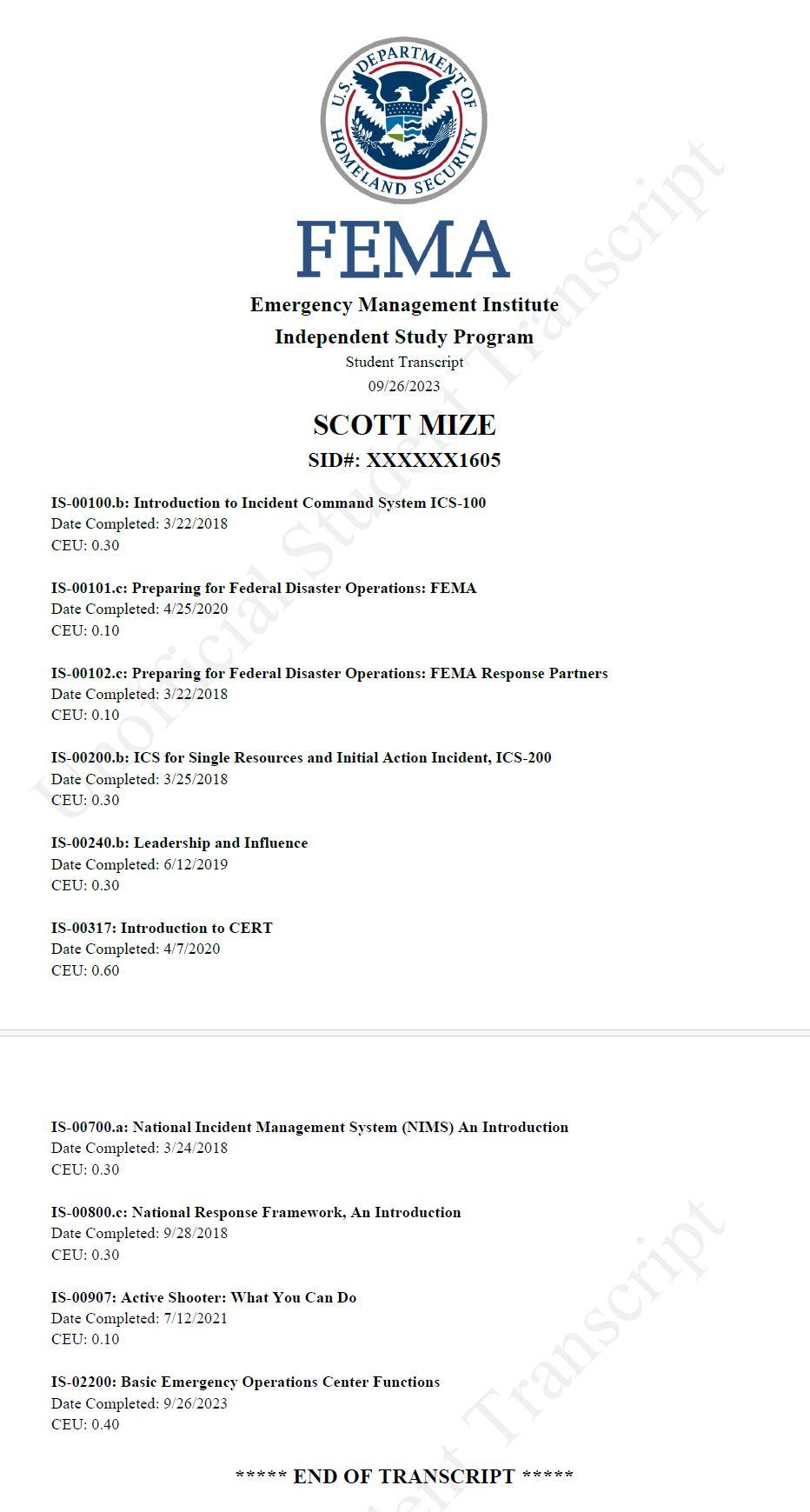
Having extensive training and several FEMA certifications, I have a pretty good understanding of how this is all supposed to work.

Preparedness

Preparedness is a critical aspect of disaster response, and in the case of Hurricane Helene, several factors highlighted weaknesses in FEMA’s readiness:

  • Forecasting and Early Warning Systems: While meteorological predictions can be challenging, warnings’ accuracy and timely dissemination are vital. Some communities felt they didn’t receive adequate alerts, which hampered their ability to prepare.
  • Resource Allocation: FEMA’s stockpiling and distribution of emergency supplies, such as food, water, and medical supplies, were criticized. Delays in getting these resources to affected areas contributed to the hardships faced by residents.
  • Training and Drills: Effective preparedness includes regular training and simulation exercises for local and state responders. Reports indicated that some areas lacked sufficient drills to ensure readiness for a storm of Helene’s magnitude.
  • Community Engagement: Engaging with local communities to understand their specific needs is essential. There were complaints that FEMA’s outreach efforts were insufficient, leaving vulnerable populations without adequate support.
  • Coordination with Local Agencies: Effective disaster response often hinges on collaboration between federal, state, and local agencies. Challenges in this coordination were evident, leading to confusion and inefficiencies in the response effort.

In light of these factors, many advocates called for reevaluating preparedness strategies to equip FEMA better for future disasters.

Resource Allocation

Resource allocation is a crucial element of disaster response, and during Hurricane Helene, several challenges were noted:

  • Timeliness of Aid: One of the main criticisms was the slow deployment of resources to affected areas. Many communities reported waiting days for necessities like food, water, and medical supplies, which exacerbated the situation. Remember the Rule of Threes for Survival.
  • Logistical Challenges: Transporting supplies to remote or heavily impacted areas proved difficult. Inefficiencies in logistics planning meant that even when resources were available, they often didn’t reach those in need quickly enough.
  • Distribution Infrastructure: The existing infrastructure for distributing aid was not always sufficient. This included not just physical distribution points but also communication systems to inform residents about where to find assistance.
  • Coordination with State and Local Resources: Effective resource allocation requires seamless collaboration with state and local agencies. Discrepancies in how resources were managed led to gaps in service, with some areas receiving more aid than others despite similar levels of need.
  • Community-Based Needs Assessment: FEMA’s resource allocation often relies on data and assessments that may not fully capture local conditions. Some communities felt their unique needs were overlooked, leading to an imbalance in aid distribution.
  • Pre-positioning of Supplies: The lack of pre-positioned supplies in strategic locations was a notable issue. Better planning could have ensured that resources were available closer to affected areas when the storm hit.

These challenges underscore the importance of effective resource management and planning in disaster response. Improving these aspects could significantly enhance the effectiveness of future responses.

Communication Strategies

Communication strategies are vital during disaster responses, and Hurricane Helene revealed several deficiencies in this area:

  • Timely and Clear Messaging: Many residents reported confusion about evacuation orders and safety information. Clear, consistent messaging is essential to ensure people know when and how to prepare.
  • Multi-Channel Communication: Effective communication should utilize various platforms—social media, radio, TV, and text alerts—to reach diverse populations. During Helene, not all demographics were adequately reached, particularly those without internet access or those in remote areas.
  • Language Accessibility: Communication must be accessible in multiple languages for communities with non-English speakers. Critical information was not translated effectively in some instances, leaving some residents without the necessary guidance.
  • Feedback Mechanisms: Establishing channels for communities to report their needs and challenges can enhance responsiveness. Many residents felt their voices were not heard during the crisis, limiting the effectiveness of the response.
  • Coordination Among Agencies: Consistent communication between federal, state, and local agencies is crucial. During Helene, fragmented messaging led to mixed signals and confusion about available resources and support.
  • Use of Technology: Leveraging technology, such as apps and websites, can provide real-time updates and information. However, technical issues and a lack of user-friendly platforms hindered access for some populations.
  • Pre-Disaster Communication Plans: Preparing communities ahead of time with clear disaster communication plans can improve readiness. Many felt that there was insufficient outreach and education before the hurricane hit.

Improving these communication strategies could significantly enhance future disaster responses, ensuring that information is effectively shared and that communities feel supported.

Above All Else

Current events should instill in you the need to be prepared and the understanding that you are your own first responder. Get ready!

Stay Vigilant and Be prepared

In addition, take these steps to ensure you and your loved ones are better prepared to handle emergencies effectively. It’s always better to be proactive than reactive for safety and preparedness.

Disaster – Horrific Death Tolls Soar In Rural Communities

Monumental Death Toll In Helpless Rural Communities

Preparing for a natural disaster involves several key steps to ensure your safety and that of your loved ones. If you need a good reason to prepare look at what is happening in Eastern Tennesee and Western North Carolina. These are areas filled with people who are historically far more self-reliant than most.

Here’s a comprehensive guide:

Create an Emergency Plan

  • Discuss with Family: Make sure everyone knows what to do in an emergency.
  • Designate Meeting Places: Identify safe locations to meet if you get separated.
  • Establish Communication: Set up a way to contact each other, especially if you’re not together when a disaster strikes. Your phones will probably be useless.
  • Remember PACE; You must have more than one plan!
    • Primary
    • Alternate
    • Contingency
    • Emergency

Build an Emergency Kit

  • Essentials: Include water (two gallons per person per day for at least three days), non-perishable food, a flashlight, batteries, a first-aid kit, and any necessary medications.
  • Personal Items: Include documents (IDs, insurance policies), cash, any special items for children or pets, and a full set of season-appropriate clothing and shoes for each member.
  • Tools: Pack a multi-tool, whistle, and maps of your area.

Stay Informed

  • Weather Alerts: Sign up for local weather alerts and warnings.
  • Emergency Services: Know how to contact local emergency services and shelters.

Prepare Your Home

  • Secure Heavy Items: Anchor heavy furniture and appliances to prevent them from tipping over.
  • Check Utilities: Know how to turn off gas, water, and electricity in an emergency.
  • Reinforce Your Home: Consider reinforcing doors and windows if you live in a hurricane or flood zone.

Evacuation Plans

  • Know Your Routes: Familiarize yourself with local evacuation routes and shelters.
  • Transportation: Ensure your vehicle is in good condition and keep a full gas tank.

Stay Connected

  • Community Resources: Stay in touch with local organizations that can provide support during disasters.
  • Social Media: Follow local news and social media channels for updates and resources.
  • Radio: Get a solar or crank-powered radio, for old-fashioned wireless communication.

Practice Your Plan

  • Drills: Conduct regular drills with your family to ensure everyone knows what to do.

Mental Preparedness

  • Stay Calm: Prepare mentally by discussing the possibility of a disaster and how to handle it.
  • Resources: Know where to find emotional support after a disaster.

Post-Disaster Preparation

  • Recovery Resources: Familiarize yourself with local and national resources for disaster recovery, such as FEMA.

Consider Support Needs

  • Unique Needs: If you or your family member have support needs, plan accordingly, including medications, mobility aids, or other necessities.

Being proactive can significantly enhance your safety and preparedness during a natural disaster.

Review, Rehearse, Practice, and Train, one second after is too late!

Stay Vigilant and Be Prepared

In addition, take these steps to ensure you and your loved ones are better prepared to handle emergencies effectively. It’s always better to be proactive than reactive for safety and preparedness.

Will You Empower With Skill Or Bring Weakness?

Will You Empower With Skill Or Bring Weakness?

I’m here to empower you with skills and knowledge! Whether it’s practical survival techniques, emotional resilience, or problem-solving strategies, my goal is to help you feel more prepared and capable. To be an effective member of your team and community you have to develop your skills first.

Various skills will be beneficial when an emergency strikes. As I have said before, “Skills are the easiest tool to carry!”. The more skills you have developed, the more of an asset you will be to your team and community.

Here are some essential skills to consider:

  • Basic Survival Skills: Understanding how to find food, purify water, and create shelter is crucial.
  • First Aid/Medical Skills: Knowing how to treat injuries and illnesses can save lives.
  • Self-Defense: Basic self-defense techniques and understanding situational awareness can protect you and your loved ones.
  • Firecraft: The ability to start and maintain a fire is vital for warmth, cooking, and signaling for help.
  • Navigation: Skills in reading maps, using a compass, and understanding natural navigation can help you find your way without GPS.
  • Food Preservation: Techniques like canning, drying, and smoking food can help you store supplies long-term.
  • Gardening/Farming: Knowing how to grow your food can be invaluable.
  • Mechanical Skills: Understanding basic repairs for vehicles and equipment can keep you mobile and functional.
  • Bartering and Negotiation: In a post-disaster scenario, trade could become essential, so honing these skills can be beneficial.
  • Communication: Learning to use radios or other non-standard communication methods can help you stay connected.
  • Mental Resilience: Emotional and psychological strength is key for navigating crises.
  • Community Building: Building relationships and networks can enhance support and resource sharing.

Investing time in these areas can significantly improve your readiness when faced with challenging situations.

Stay Vigilant and Be Prepared

In addition, take these steps to ensure you and your loved ones are better prepared to handle emergencies effectively. It’s always better to be proactive than reactive for safety and preparedness.

Disastrous Supply Chain Disruption What Do You Need?

Disastrous Supply Chain Disruption

When facing a disastrous supply chain disruption, being prepared is crucial. Prepare your home for a supply chain disruption to ensure you have essential supplies and a plan.
Here’s a step-by-step guide:

Identify Essential Supply Items

  • Food: Create a list of non-perishable foods, including canned goods, pasta, rice, and dried beans. Make sure to stock foods that you are accustomed to eating. Altering your diet drastically will bring new problems to your situation.
  • Hygiene Products: Stock up on toiletries like soap, toilet paper, toothpaste, and feminine hygiene products. Unscented baby wipes are an indispensable addition to your hygiene supplies.
  • Medical Supplies: Ensure you have a well-stocked first aid kit and any necessary prescription medications. Do not underestimate the importance of wound management supplies. Over-the-counter medications are often overlooked. Vitamin supplements as well. Most importantly, do you have the skills to deal with an injury?

Build a Supply Stockpile

  • Aim for a month’s supply of essentials. Focus on items that have a long shelf life.
  • Consider purchasing bulk items to save money and ensure you have enough.
  • Once you have a month’s supply, build it to three months.
  • Be sure to store your supplies in a cool dry protected area. Preferably temperature controlled.

Emergency Kit

  • First Aid Kit: Include bandages, antiseptic wipes, adhesive tape, scissors, tweezers, pain relievers, and personal medications.
  • Flashlight and Batteries: A reliable flashlight (or headlamp) with extra batteries for visibility and signaling in low-light conditions.
  • Multi-Tool or Swiss Army Knife: Useful for many tasks, including repairs and emergencies.
  • Blankets or Emergency Mylar Space Blankets: To keep warm in cold weather. Space blankets are compact and effective.
  • Fire Extinguisher: A small, fire extinguisher to handle small fires.
  • Water and Non-Perishable Food: At least a gallon of water per person per day for at least a week and high-energy snacks (like granola bars) for emergencies.
  • Extra Clothing and Personal Items: Warm clothing, gloves, and a hat, especially for cold weather. Similarly, include a pair of sturdy shoes or boots with socks.
  • Portable Phone Charger: A backup power source to keep your phone charged.

Stay Informed

  • Follow local news and updates about supply chain issues that affect your area.
  • Sign up for alerts from local authorities regarding emergencies.

Establish Communication Plans

  • Create a list of emergency contacts and ensure all family members have it.
  • Discuss what to do in case of a disruption and how to stay in touch.

Local Resources

  • Identify local stores, farmers’ markets, or co-ops that can provide fresh food and supplies.
  • Build relationships with local suppliers to secure access to goods.

Plan for Pets Supplies

  • Stock up on pet food and any necessary supplies, including medications.

Prepare for Power Outages

  • Keep extra batteries, a battery-powered radio, and any necessary charging devices handy.
  • Consider investing in a generator if feasible.

Regularly Review and Rotate Supplies

  • Check your supplies periodically: Ensure they’re still usable and within expiration dates.
  • Rotate Supplies: Use older items first to prevent waste.

Practice Good Financial Management

  • Keep some cash on hand: In case electronic payment systems fail during disruptions.

Collaborate with Neighbors

  • Form a community group: Share resources and information, enhancing collective preparedness.

Being proactive and organized can significantly ease the stress of any supply chain disruptions. Being well-prepared can make a significant difference during disruptions.

By preparing your home in these ways, you can help ensure your family is ready to face potential supply chain challenges. If you want more specific advice on any area, please ask!

Stay Vigilant and Be Prepared

In addition, take these steps to ensure you and your loved ones are better prepared to handle emergencies effectively. It’s always better to be proactive than reactive for safety and preparedness.

Grid Down – What Will You Need To Be Successful?

Grid Down

Being prepared for a grid-down scenario can enhance your resilience and self-sufficiency. Do you have any specific resources or skills that you think will help? What specific concerns do you have about such a situation?

If the grid is down, having the right tools and resources will make a significant difference. Here’s a list of essential tools and resources you should consider:

Essential Tools

Hand Tools:

  • Multi-tool: Versatile for various tasks.
  • Hammers, screwdrivers, and pliers: For repairs and construction.
  • Shovels and spades: Useful for gardening and digging.

Cooking Tools:

  • Cast iron cookware: Durable and effective for cooking over open flames.
  • Camping stove: Portable cooking option (with fuel).
  • Manual can opener: For accessing canned goods.

Gardening Tools:

  • Hand trowels and pruners: For planting and maintaining a garden.
  • Rakes and hoes: For soil preparation and weed control.

Cleaning Tools:

  • Broom, dustpan, and mop: For maintaining a clean living space.
  • Buckets: Versatile for cleaning, collecting water, or storage.

Emergency Tools:

  • First aid kit: Comprehensive supplies for medical emergencies.
  • Fire extinguisher: For safety against fires.
  • Emergency whistle: For signaling in case of emergencies.

Grid Down Resources for Food and Water

Food Storage:

  • Mylar bags and oxygen absorbers: For long-term food preservation.
  • Sealable containers: To store grains and other bulk foods.

Water Purification:

  • Water filters: Portable filters (like LifeStraw) or larger systems.
  • Purification tablets: For treating water from uncertain sources.

Gardening Supplies:

  • Seeds: Heirloom or non-GMO seeds for growing food.
  • Compost bins: For creating nutrient-rich soil.

Communication and Information

Radio:

  • Battery-powered or hand-crank radio: For news and emergency updates.

Maps and Guides:

  • Local maps: For navigation without GPS.
  • Survival guides: Books on foraging, first aid, and homesteading.

Personal Safety and Hygiene

Personal Protective Equipment:

  • Gloves: For gardening, cleaning, or protection during repairs.
  • Masks: For dust or smoke protection.

Hygiene Supplies:

  • Biodegradable soap: For cleaning without modern plumbing.
  • Sanitation supplies: Toilet paper, sanitary napkins, and wipes.

Financial Preparedness

Cash:

  • Keep a supply of cash in small denominations for transactions.

Important Documents:

  • Store copies of identification and insurance documents in a waterproof container.

Community and Networking

Local Resources:

  • Knowledge of nearby farms, water sources, and community support groups.

Skills Exchange:

  • Networking with neighbors for skill-sharing (gardening, repairs, etc.).

Entertainment and Morale

Books and Games:

  • Board games, card games, and books to keep spirits up during downtime.

Musical Instruments:

  • Simple instruments for entertainment and morale.

Power Generation Options

Solar Power:

  • Solar Panels: Portable or stationary panels to harness sunlight.
  • Solar Generators: All-in-one units combining solar panels and batteries for easy power storage.
  • Battery Storage: Deep cycle or LiFePO4 batteries for storing energy generated from solar panels.

Wind Power:

  • Small Wind Turbines: Can generate power in windy conditions; suitable for off-grid setups.
  • DIY Wind Turbines: Kits or plans available for building a small turbine.

Backup Generators:

  • Gas or Propane Generators: Provide immediate power for appliances and tools. Ensure you have fuel stored safely.
  • Inverter Generators: Quieter and more efficient; good for sensitive electronics.

Bicycle Generators:

  • Pedal Power Generators: Convert human energy into electricity, useful for charging small devices.

Hydro Power:

  • Micro-Hydro Systems: If you have access to running water, these can generate continuous power.

Grid Down Energy Storage and Management

Batteries:

  • Deep Cycle Batteries: Store energy from solar or wind systems for use when needed.
  • LiFePO4 Batteries: The lithium chemistry of these batteries is generally about 1/3rd the weight of traditional lead-acid batteries while still providing a massive boost to performance and capacity so you won’t miss a single second of runtime.
  • Car Batteries: Can be used for some applications, but should be managed carefully.

Power Inverters:

  • Convert DC power from batteries to AC power for household appliances.

Power Management:

  • Energy Audit: Assess which devices are essential and prioritize power use accordingly.
  • Smart Power Strips: Help manage and reduce phantom loads.

Safety and Maintenance

Fuel Storage:

  • Store fuel for generators safely and according to regulations.

Maintenance Supplies:

  • Keep spare parts and tools on hand for maintaining generators or solar systems.

These power options and strategies will help you maintain some functionality during a grid-down situation.

Stay Vigilant and Be prepared

In addition, take these steps to ensure you and your loved ones are better prepared to handle emergencies effectively. It’s always better to be proactive than reactive for safety and preparedness.

Food In Survival Preparedness – Will You Starve To Death?

Will you go hungry? - Food in Emergency Preparedness

When preparing for emergencies, having a well-thought-out plan for food is crucial. Here’s how you can effectively prepare:

Assess Your Needs

  • Number of People: Determine how many people in your household you will need to feed. Remember, 2100 calories a day per person for optimal health.
  • Dietary Restrictions: Consider any special dietary needs or medical conditions.
  • Normal Food: Consider the importance of storing foods that you already eat. Make sure you like what you will be forced to eat in an emergency. Don’t forget to stock some feel-good food, morale is an important consideration.

Stock Up on Non-Perishable Foods

  • Canned Goods: Beans, vegetables, fruits, meats, and soups. Stored properly, these will last several years and are ready to eat, even cold if necessary.
  • Dry Goods: Pasta, rice, oatmeal, and cereal.
  • Packaged Goods: Crackers, granola bars, and instant noodles.
  • Powdered or Canned Milk: Useful if fresh milk isn’t available.
  • Freeze Dried: Great shelf life, usually up to 25 years, and nutritious. More water is required for these stores.

Water Supply

  • Quantity: Aim for one gallon per person daily for cooking, and enough for at least three days. If you plan to use dry, freeze-dried, or powdered goods, additional water storage is required.
  • Storage: Keep it in clean, sealed containers and store them in a cool, dark place. Colored containers are best as they block out the light and reduce the risk of algae growth.

Consider Special Requirements

  • Babys: If you have infants, stock up on formula and baby food.
  • Medications: Include any special dietary supplements or medications that require specific storage.

Alternative Cooking Methods

  • Portable Stoves: Have a camping stove or other portable cooking equipment.
  • Fuel: Ensure you have enough fuel (e.g., propane, charcoal) for cooking.
  • Manual Can Opener: Essential if you have canned goods.

Food Storage and Safety

  • Rotation: Regularly check expiration dates and rotate your food stock.
  • Storage: Store food in a cool, dry place. Use airtight containers to protect from pests.

Emergency Food Kit

  • Food Supplies: Include a basic food supply in your emergency kit.
  • Eating Utensils: Pack items like disposable plates, utensils, and napkins.
  • Premade Kits: Emergency Five Day Survival Backpack

Know Your Community Resources

  • Local Assistance: Be aware of local shelters, or community resources that can provide additional help.

By preparing ahead and ensuring you have a good variety, you can be more confident in managing your food needs during an emergency.

Stay Vigilant and Be prepared

In addition, take these steps to ensure you and your loved ones are better prepared to handle emergencies effectively. It’s always better to be proactive than reactive for safety and preparedness.

Emergency Planning – National Preparedness Month – Time to Prepare

Emergency strikes

National Preparedness Month is observed every September in the United States to promote awareness and encourage emergency preparedness. It’s a time for individuals, families, and communities to review and enhance their emergency plans, ensure they have the necessary supplies, and understand how to respond accordingly to different disasters.

National Preparedness Month typically focuses on a specific theme or set of themes. These provide guidance on various aspects of preparedness, such as creating emergency kits, developing communication plans, and staying informed about potential hazards.

Preparing for different types of disasters can certainly make a big difference in how you and your family handle emergencies. Here’s a simple guide to get started:

1. Assess Your Risks

  • Identify Hazards: Consider the types of disasters that are most likely to affect your area, such as hurricanes, earthquakes, floods, wildfires, or severe storms, and prepare accordingly.
  • Review Past Incidents: Look at past emergencies in your region to understand what could happen.

2. Create a Family Emergency Plan

  • Communication Plan: Establish how your family will communicate if separated. Choose a meeting spot and designate a family contact person outside your area.
  • Evacuation Plan: Identify multiple evacuation routes from your home and workplace. Know where your local shelters are located.
  • Emergency Contacts: List important contacts and share them with every family member.

3. Build an Emergency Kit

  • Basic Supplies: Include items like water (two gallons per person per day for at least three days), non-perishable food, a flashlight, batteries, a first aid kit, and a battery-powered or hand-crank radio.
  • Personal Items: Add medications, important documents (e.g., IDs, insurance papers), and personal hygiene items.
  • Hygiene Supplies: Poor hygiene is a leading cause of illness during disasters.
  • Special Needs: Don’t forget supplies for babies, elderly family members, or pets.
  • Recommended Supplies List

4. Stay Informed

5. Practice and Review

  • Drills: Regularly practice your emergency plans with your family. Conduct fire drills, tornado drills, and other scenario-based exercises, particularly the ones of most concern to you, in your area.
  • Update Plans: Review and update your plan and emergency kit annually or whenever there’s a change in your family situation. Additionally, consider having plans based on the seasons, especially the contents of your emergency kits.

6. Get Involved

  • Community: Join local preparedness programs or workshops. Being part of a community effort can surely provide additional resources and support.

7. Develop Emergency Skills

  • CPR/AED – First Aid: This training is a crucial component of first aid preparedness. Knowing how to perform CPR and use an AED can make a life-saving difference in emergencies. Basic first-aid skills can be a game changer in a disaster.
    Schedule your private group session today
  • Stop The Bleed: Blood loss is the number one preventable cause of death after injury. Learning the skills to identify and treat traumatic life-threatening bleeding is extremely valuable when your local EMS is overwhelmed by a disaster.
    Register Here

Stay Vigilant and Be prepared

In addition, take these steps to ensure you and your loved ones are better prepared to handle emergencies effectively. It’s always better to be proactive than reactive for safety and preparedness.

A Guide to Disaster Preparedness during Civil Unrest

disaster preparedness

Introduction:

In an ever-changing world, civil unrest can emerge unexpectedly, challenging the stability of communities and putting citizens at risk. While we hope for peace, it is essential to be prepared for the unexpected, as hope is not a strategy. This article aims to provide a starting point for disaster preparedness during civil unrest, equipping you with the knowledge and resources necessary to navigate challenging times.

Stay Informed:

Knowledge is a powerful tool in times of civil unrest. Stay informed about local and global events through reliable news sources. Social media can be a valuable tool for real-time updates, and disaster preparedness, but verify information before sharing, as misinformation can spread quickly during periods of unrest.

Develop a Communication Plan:

Establish a communication plan with family, friends, and neighbors. Identify primary and alternative communication methods, such as text messages, social media, or walkie-talkies. Having a designated meeting point or a centralized contact person can help in case regular communication channels are disrupted.

Create a Disaster Preparedness Emergency Kit:

Prepare an emergency kit that includes essential supplies for at least 72 hours.

  • Non-perishable food items,
  • Water (one gallon per person per day – minimum),
  • First aid supplies,
  • Prescription medications,
  • Flashlights and Batteries,
  • Important documents (ID, insurance papers, etc.),
  • Cash in small denominations,
  • Basic hygiene items

Secure Your Home:

Take measures to secure your home in case of civil unrest. Reinforce doors and windows, and consider investing in a home security system. Create a safe room where you can seek refuge if necessary. Develop evacuation routes and practice them with your family.

Stay Neutral and Avoid Conflict:

In times of civil unrest, tensions can run high. It is crucial to remain neutral and avoid engaging in confrontations. If possible, stay indoors and away from crowds. Do not participate in activities that could escalate the situation.

Know Your Community:

Build relationships with your neighbors and community members. In times of crisis, a strong support network can be invaluable. Collaborate on neighborhood watch programs or community emergency response teams to enhance overall preparedness.

Stay Physically and Mentally Prepared:

Maintain your physical and mental well-being. Regular exercise, a healthy diet, and sufficient sleep contribute to overall resilience. Practice stress-reducing activities such as meditation or deep breathing exercises to cope with the emotional toll of civil unrest.

Know Your Rights:

Familiarize yourself with your legal rights and responsibilities during civil unrest. Understand the local laws and regulations governing peaceful assembly and the role of law enforcement. Document any encounters with authorities for future reference.

Conclusion:

Civil unrest can be a challenging and unpredictable situation, but with proper disaster preparedness, individuals can increase their resilience and enhance their ability to navigate these tumultuous times. By staying informed, creating communication plans, securing homes, building community connections, and maintaining overall well-being, individuals can contribute to a safer and more resilient society in the face of civil unrest.

Are you ready for the road?

We are headed into the time of year when travel reaches its peak level, especially by passenger and/or recreational vehicles. That means it is time to get them in tip-top road ready condition. This includes making certain that we have emergency supplies that are congruent with our travel plans. We don’t want to be the ones in the news that fell prey to an unforeseen incident that left us unprepared and vulnerable. We don’t want to be lost, stuck or disabled without the tools and supplies that will help us prevail in whatever situation we find ourselves. That being said it is untenable to prepare for every situation, but we can prepare for most.

Frequent traveler

As an instructor, I travel year round all around the NW. Often times I find that I am the only vehicle on the road. That is actually my favorite time to travel. I have a keen sense that most times the only thing separating me and the oncoming traffic is a painted line. You are at the mercy of every other driver out there when you travel. You can be doing everything right and pay the price for the mistake or indiscretion of someone else at any time. I often see debris on the roadways from storms, improperly secured loads, and accidents. These hazards can and will cause problems for you, the recreational traveler if you are not careful and prepared.

Unprepared travelers

All too often we hear of someone who was caught unprepared while traveling. Whether it was weather related, mechanical failure, poor planning, or just bad luck the result is the same. They are forced into survival mode trying to improvise for shelter, food, and water occasionally resulting in death or severe injury. Something I say in all my classes is, “It costs us very little to be prepared and safe, but could cost us a great deal if we are not”, it is relevant to almost all aspects of our lives.

How do we prepare?

Skills first

As an instructor, I will always start by developing your skills. The skills that are relevant to this topic are easily attainable. The key is to learn the skills before you need them.

  • Learn how to check your tire pressure
  • Learn how to change a tire
  • Learn how to check your oil
  • Learn how to check your coolant level
  • Learn how to check your transmission fluid
  • Learn how to check and change fuses in your vehicle(s)
  • Learn how to use a weather radio
  • Learn how to read a paper map (not google maps)
  • Learn how to use a compass
  • Learn how to properly place flares
  • Learn how to use your fire extinguisher
  • Learn how to use jumper cables
  • Learn how to use a water filter
  • Learn how to use a portable stove

Tools and Supplies

Now that we have an idea of what skills we need, lets put together the tools and supplies to compliment those skills.

For your vehicle

  • Flashlight/Headlamp
  • Ice scraper
  • Tire gauge
  • Carjack
  • Spare tire (preferably full size)
  • Tire repair kit with a compressor
  • Shop towels
  • Quart of oil
  • Gallon of coolant
  • Quart of transmission fluid
  • Long funnel
  • Basic toolset (wrenches, pliers, screwdrivers, etc…)
  • Solar or crank powered weather radio
  • Maps and compass
  • Flares (preferably electronic to avoid combustion hazard)
  • Fire extinguisher (ABC)
  • Jumper cables
  • Portable Battery Jump Starter
  • Small shovel
  • Tow Rope

For the people

  • Candles
  • Lighters
  • Matches
  • Duct tape (we like Gorilla tape)
  • Disposable gloves
  • Well-stocked first aid kit (with any prescription meds you may be dependant on, such as an EpiPen, insulin, etc…)
  • Solar blankets
  • Wool blankets
  • Warm socks
  • Raincoat or poncho
  • Good all-weather coat
  • Cash (small bills and coins)
  • Stocking cap
  • Sun hat
  • Umbrella
  • Heavy gloves (work gloves)
  • Sleeping bag for the current season
  • Tent
  • Sleeping pads (one for each person)
  • Paper and pencils
  • Whistle
  • List of important phone numbers (on paper)
  • Can opener
  • Knife
  • Scissors
  • Garbage bags in various sizes
  • Sewing kit
  • Baby wipes
  • Toilet paper
  • Hand soap
  • Comb
  • Hairbrush
  • Toothbrush
  • Change of clothes (season appropriate)
  • Towels in a waterproof bag
  • Water (preferably one gallon per person or more)
  • Water filter (such as a Sawyer mini)
  • Backpack (small, for carrying supplies during excursions i.e. getting water, etc…)
  • Good walking shoes or boots
  • Portable camp stove (we like Jetboils)
  • Freeze Dried food (preferably 3 days per person)
  • 100 feet of Paracord
  • 25 feet of 3/8 inch rope
  • Pocket survival guide
  • A container for all your supplies

Important things to note

  • In cold weather, your water containers should have space to allow room for expansion when the contents freeze.
  • Always have a backpack for each person. If you are forced by circumstances to leave your vehicle on foot, you will want to be able to carry as much of your gear as possible. Always choose to stay with your vehicle if you can.
  • Your kit should change with the seasons, winter gear won’t do you much good in the heat of summer, but extra water will be invaluable.
  • When taking a longer trip, add extra food and water to your kit.
  • Don’t forget about communications: you can summon help with a cell phone or a two-way radio.
  • Depending on the laws where you live and your personal preferences, weapons and ammunition can be a useful addition to your vehicle kit.

Urban vs. Remote

This article is focused on remote travel where you would not be able to depend on services like AAA or other roadside assistance. Although these skills, tools, and supplies will benefit you wherever you travel you may not need to prepare for the extremes that I have. Not everybody needs everything on this list.  Pick the items that are relevant to your situation, your environment, and your disaster scenarios. No list can be comprehensive for everyone, but this has done well by me. As I said before,
“It costs us very little to be prepared and safe, but could cost us a great deal if we are not”

As Always,
Stay Vigilant and Be Prepared

×